11-Mar-2026
When constructing modern buildings, choosing the quality building materials is crucial for ensuring durability, safety, and aesthetic appeal. With the wide range of materials available today, from traditional options to new-age innovations, selecting the right type can make all the difference. In this blog, we will explore the various types of construction materials commonly used in modern construction projects, along with their features, benefits, and applications.
The term quality building materials refers to products that are durable, safe, and efficient for building purposes. These materials are essential in creating structures that can withstand time and environmental factors. When constructing a building, it's important to choose quality building materials that not only meet safety and legal standards but also enhance the overall design of the structure.
When considering types of building materials, you should account for factors such as strength, sustainability, cost, and aesthetic appeal. Choosing the right material will contribute to the longevity and overall performance of the building.
Construction materials vary in terms of function and cost. Here are the most common types of construction materials used in modern building projects:
Concrete
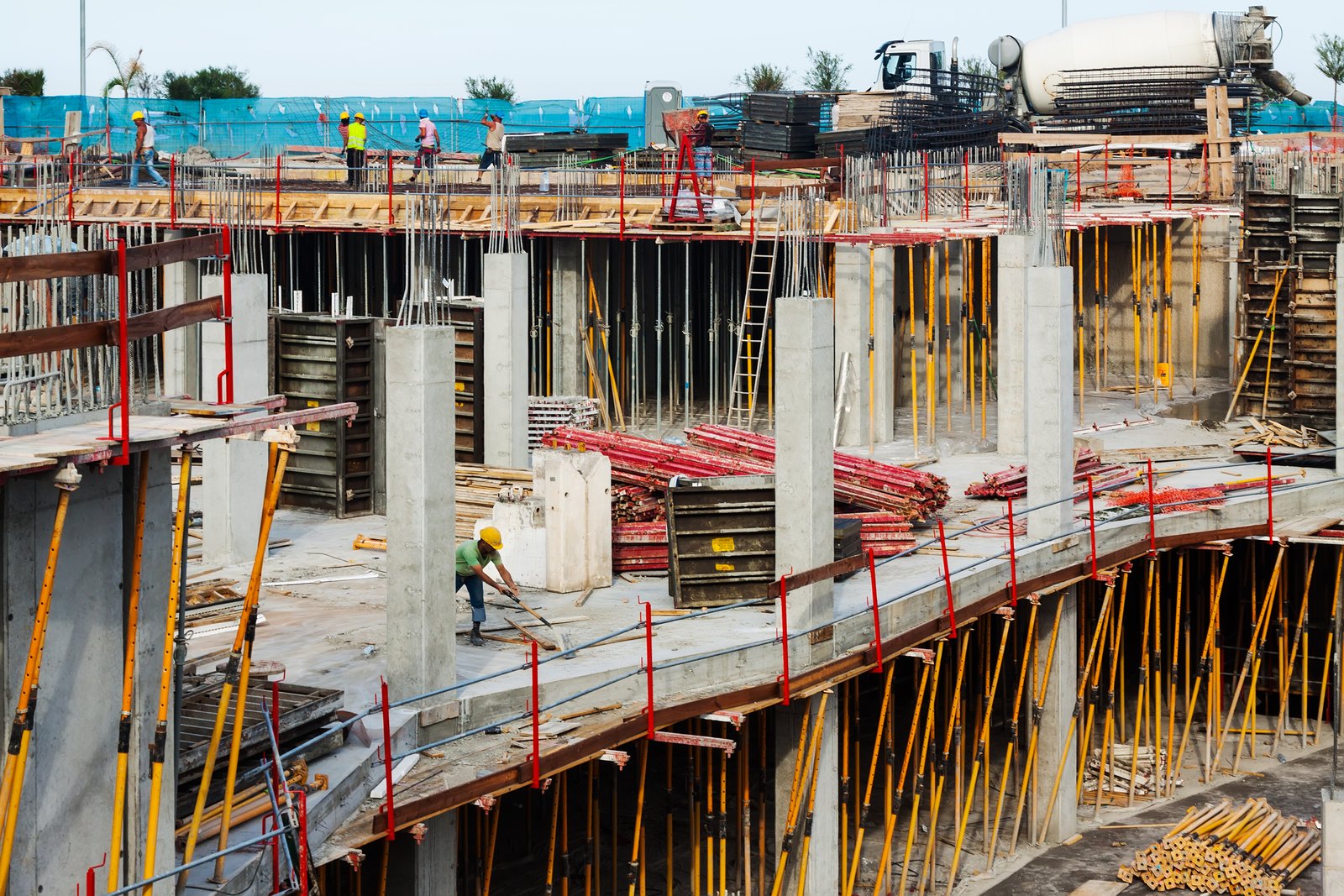
Concrete is one of the most widely used quality building materials. It is made from a mixture of cement, sand, gravel, and water. Concrete is strong, durable, and versatile, making it perfect for foundations, floors, and even decorative finishes.
Steel
Steel is known for its strength, flexibility, and ability to withstand extreme conditions. It is used extensively in structural components like beams, columns, and reinforcement bars.
Wood
Wood remains a popular choice due to its aesthetic appeal, insulation properties, and ease of use. It is commonly used in residential buildings for framing, flooring, and finishing touches.
Glass
Glass is frequently used for windows, facades, and partitions. Modern architectural designs often incorporate large glass panels for an open and airy feel.
Bricks and Stones
Bricks and stones have been used in construction for centuries. They offer a natural, timeless look while providing stability and fire resistance.
Enhanced structural integrity
Improved safety and durability
Greater aesthetic appeal
Increased property value
While quality building materials are essential for long-term durability, many projects require low cost construction materials to meet budget constraints. These materials are ideal for building affordable housing and smaller-scale constructions. However, even with lower costs, these materials must still meet basic performance and safety standards.
Compressed Earth Blocks (CEBs): Made from local soil, CEBs are low-cost and environmentally friendly options for walls.
Recycled Materials: Reusing materials like wood, bricks, and metal from demolished buildings can reduce construction costs.
Bamboo: Bamboo is an eco-friendly, lightweight, and inexpensive material used for scaffolding, flooring, and furniture.
More affordable than traditional materials
Environmentally friendly options
Often made from local, readily available resources
With growing concerns about the environment, the construction industry is focusing on sustainable materials. Many types of construction materials today are designed to reduce carbon footprints, save energy, and promote recycling.
Some examples of sustainable materials include:
Recycled Steel: Reduces the need for virgin steel, making it a more eco-friendly option.
Hempcrete: A sustainable alternative to concrete, made from hemp and lime.
Solar Panels: Used in combination with other materials, solar panels contribute to energy efficiency in modern buildings.
Cork: Renewable and biodegradable.
Rammed Earth: Reduces construction waste and is energy-efficient.
Low-VOC Paints: These paints emit fewer toxins, improving indoor air quality.
Selecting the right quality building materials plays a key role in ensuring the success of any construction project. The materials used determine not only the safety and durability of the structure but also its aesthetic appeal and long-term sustainability. For those looking to balance both quality and cost, low cost building materials provide great options without compromising performance.
At Site Supply, we offer a wide variety of quality building materials to suit different budgets and project requirements. Our goal is to provide you with the best materials, ensuring that your construction project is built to last.
Whether you are using quality building materials for a commercial skyscraper or low cost building materials for a residential project, choosing the right materials is paramount to the building's success. Always ensure that the materials you use are appropriate for your project's needs and that they meet your budget and design preferences. Understanding the types of construction materials available today allows you to make informed choices for both large-scale and small-scale projects.
What are the most common types of construction materials?
Concrete, steel, wood, glass, and bricks are commonly used in modern construction.
How can I save money on construction materials?
Consider using low cost building materials like bamboo, recycled materials, or compressed earth blocks.
Why are sustainable building materials important?
Sustainable materials reduce environmental impact and help create energy-efficient, eco-friendly buildings.
What is the best material for a building’s foundation?
Concrete is often the best choice due to its strength, durability, and ability to withstand heavy loads.


